About this Edition
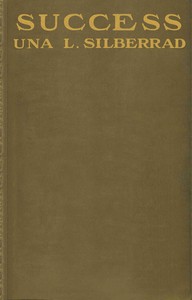
"Success" by Una L. Silberrad is a novel written in the early 20th century. It centers on the price of ambition and the ethics of ownership within a powerful armaments firm, following gifted engineer Michael Annarly as his crowning invention meets corporate jealousy and manipulation. Lady Sibyl Carson’s admiring glamour and Nan Barmister’s grounded sympathy frame his rise and sudden crisis, casting light on class, power, and the uses of influence. The opening of the novel introduces Annarly revealing his completed aerial-torpedo design to Lady Sibyl at a country-house gathering, where admirers and rivals at Galhardy’s foundries debate his talent and arrogance. Elated, he is swiftly undone: the next day Sir James Shannon and the hostile secretary Brett confront him with allegations that he prematurely opened foreign negotiations; they seize his papers, suspend him, and force him to burn Lady Sibyl’s private letters after he briefly brandishes an (unloaded) pistol. In parallel, we meet Nan Barmister, a keen-eyed Soho dealer, and her circle; after Annarly fails to persuade the firm’s chairman, Sir Joseph Harte, to hear him, Nan finds him rain-soaked and shattered and quietly brings him home for food and rest. Over the following day she helps him compose and send a reasoned memorial to the directors while he explains the contested “foreign rights,” the directors’ reversal, and his despair that, with his notes confiscated, Galhardy’s can still finish the invention without him. (Th
Subjects & Topics
Engineers -- FictionEngland -- Social life and customs -- 20th century -- FictionInventors -- Fiction